Journal: MDPI
Authors: Yantai University & Chinese Academy of Sciences (Xi’an & Wuhan)
SO₂ Is in the Air, and We Want to Know Where
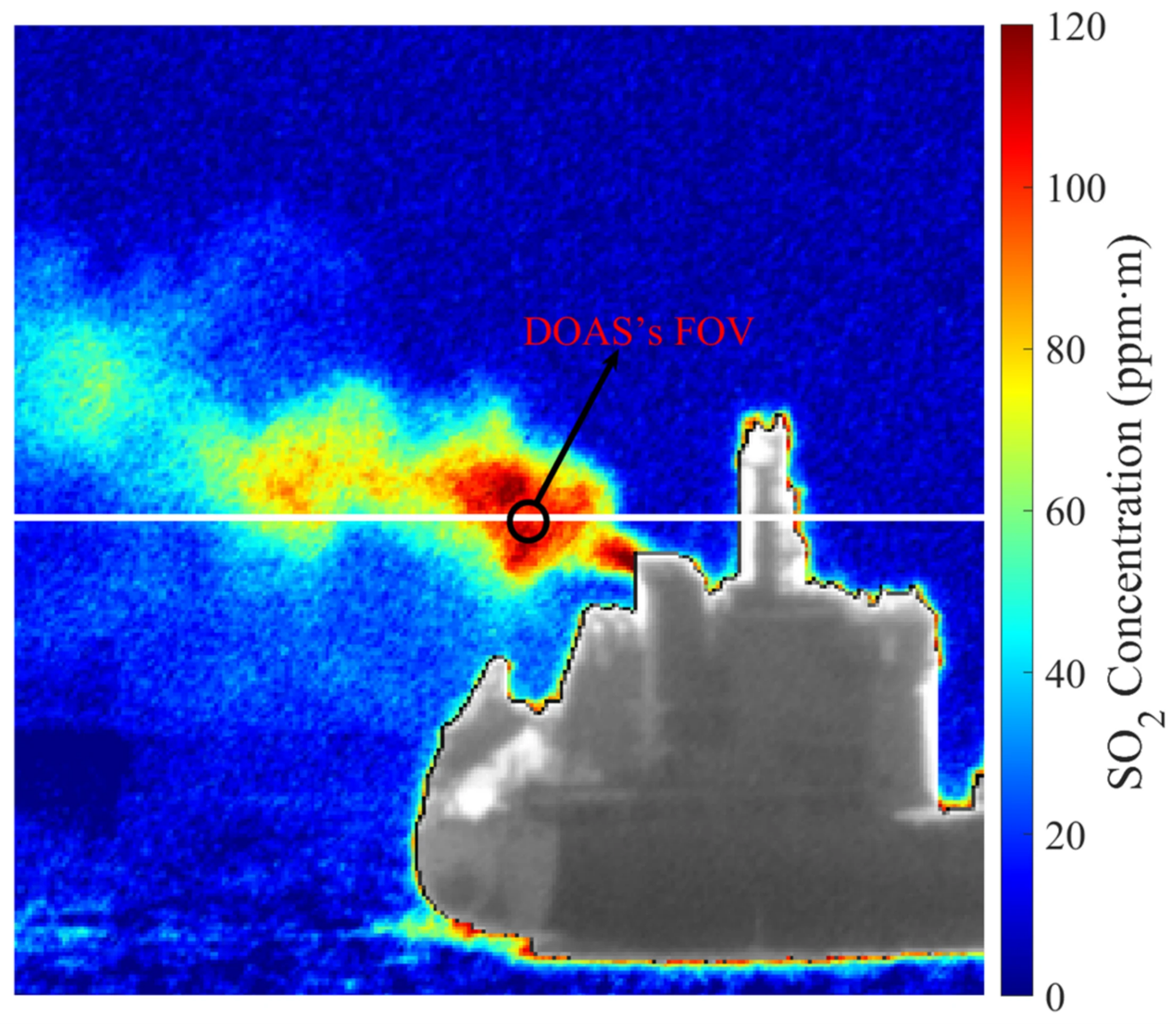
Ultraviolet (UV) cameras have been used for remote sensing of atmospheric sulphur dioxide (SO2), and provide an attractive avenue for monitoring this harmful pollutant from industrial and transportation sources2,3,6. Recent analysis has found that sulphur oxide (SOx) pollution from ferries exceeds emissions from cars in many of Europe’s largest port cities, underscoring the importance of developing accurate remote monitoring technologies1,4.
In their publication, “Effect of UV Scattering on Detection Limit of SO2 Cameras,” Wu et al. highlighted the critical role of sensor specifications in the sensitivity of maritime emission monitoring. The research established a methodology for extracting SO2 column amount (ppm·m) from experimental UV data, and using a baseline dataset from field experiments, the authors simulated the performance of various market-leading scientific cameras to predict their effectiveness in real-world atmospheric conditions5.
Leading the Field in Sensitivity
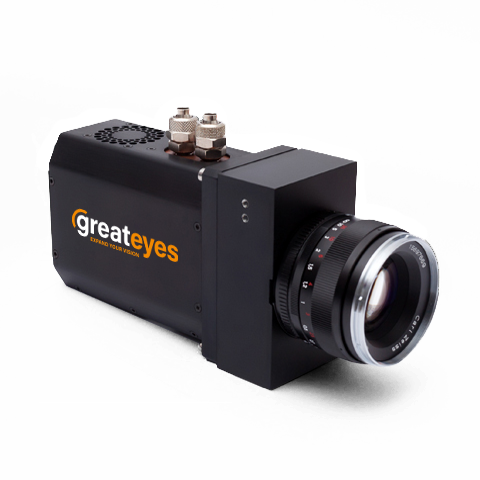
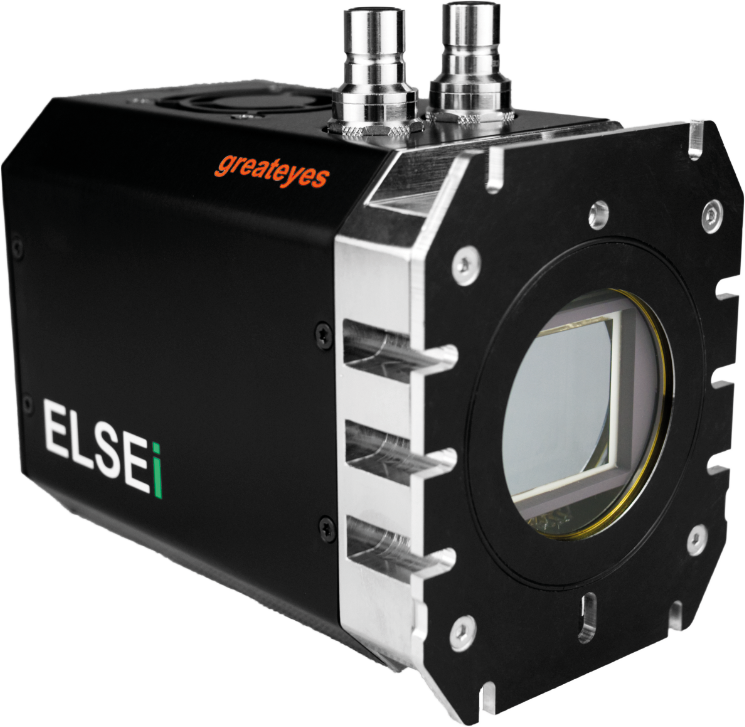
The study’s comparative simulations included high-end sensors from several leading camera suppliers. According to the published findings, under the simulated conditions the greateyes ELSE-i 2k2k BI UV3 system was expected to achieve the lowest detection limit among all examined cameras. This positions the ELSE camera lineas a strong candidate for high-accuracy atmospheric pollution monitoring , investigation of combustion products, and natural disaster monitoring such as forest fires or vulcanism.
This is no surprise, since the greateyes ELSE series features hardware that matters for trace particulate detection in the UV: high quantum efficiency (to maximise signal), low noise and ultra-deep cooling (to suppress dark-current/thermal noise), 18-bit depth for higher contrasts, and sufficient spatial resolution (up to 16 Mp) to enable post-processing while retaining detail. These are all important parameters for achieving good real-world SO2 sensitivity, and the ELSE series delivers.
Why Scientists Choose greateyes
This publication reinforces what our customers already know: when detection limits and signal-to-noise ratios are the deciding factors for successful chemical imaging, greateyes ELSE cameras deliver top-tier performance. Our portfolio of full-frame deep cooling scientific CCD cameras provide the precision required for the most demanding remote sensing applications.